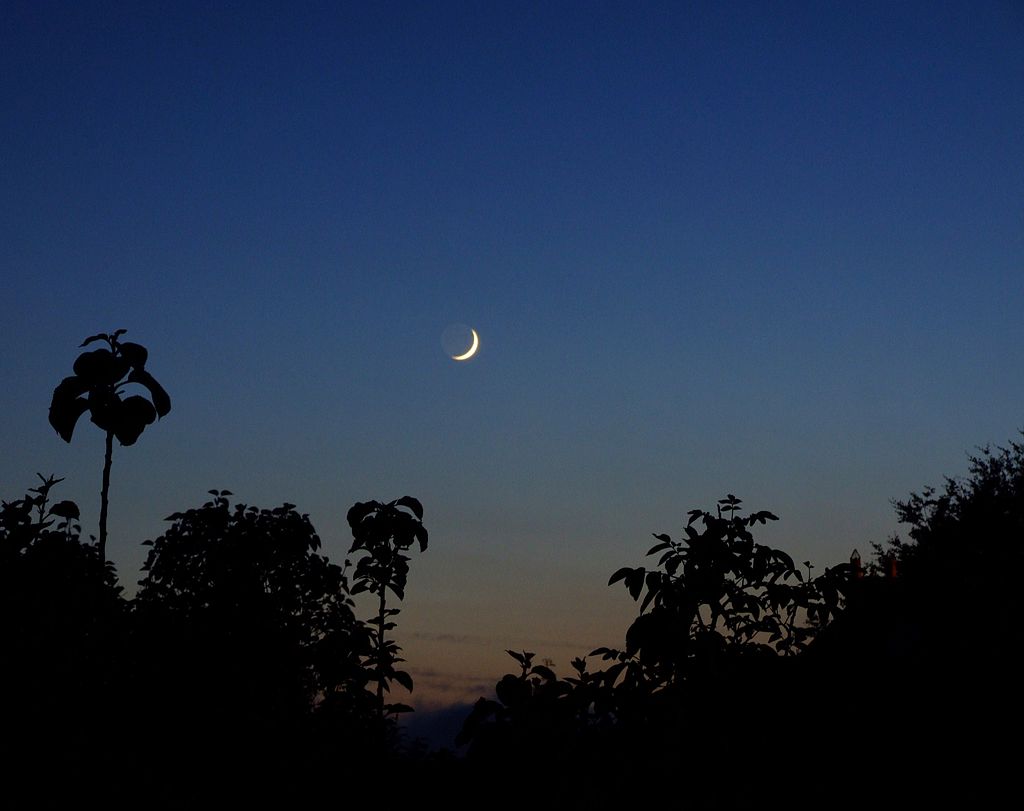
Tonight my mind feels like the new moon,
present in all her integrity,
but turning a blank face to herself.
She blends softly into the dark night,
pleased to hide among the stars,
and rest.
Tonight she doesn’t have to reflect light,
shine on dreamy lovers,
or inspire a single poem.
She wraps all her secrets up in the cloak
her grandmother wove for her
and tucks herself in,
knows that tomorrow she will begin
another waltz with the sun, and
sliver by sliver
the words to describe
the autumn light and the blue sky of November
will begin spilling onto the page
in a silver tumble.
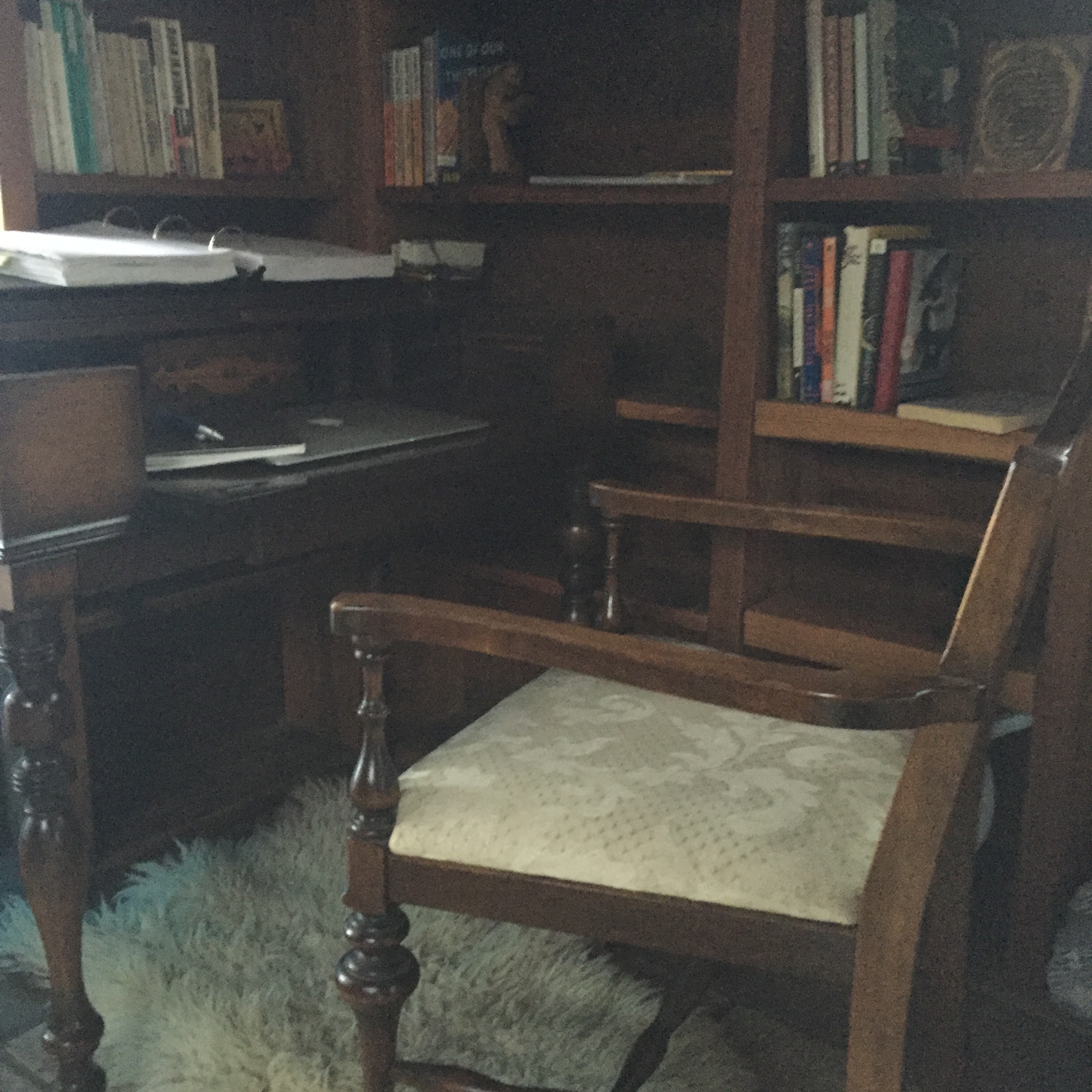
I’m at a writing retreat, staying in a rustic cabin with no electricity or running water called the Library House. Perched on a deck among oak trees, it felt like home as soon as I walked into its book-lined walls. I set my suitcase down and perused the titles before I unpacked, saw how thoughtfully they had been chosen and approved too of how they had been organized: travel, biography, poetry, entire shelves for favorite authors like Hemingway, Toni Morrison, Joan Didion, and a whole section just for fun. I had arrived for a weeklong writer’s residency, but was tempted to spend the next seven days devouring as much of this eclectic, enticing library as I could.
Instead, I settled at the desk with my laptop and a fat binder containing the rough draft of my novel. When darkness folded my little cabin into the night, I lit candles and at some point, despite my thick wool socks, noticed that my feet on the stone tiles were cold. Out came the sheepskin rug from under the rocking chair to lie under the desk instead. I have learned to move it around to wherever my feet are.
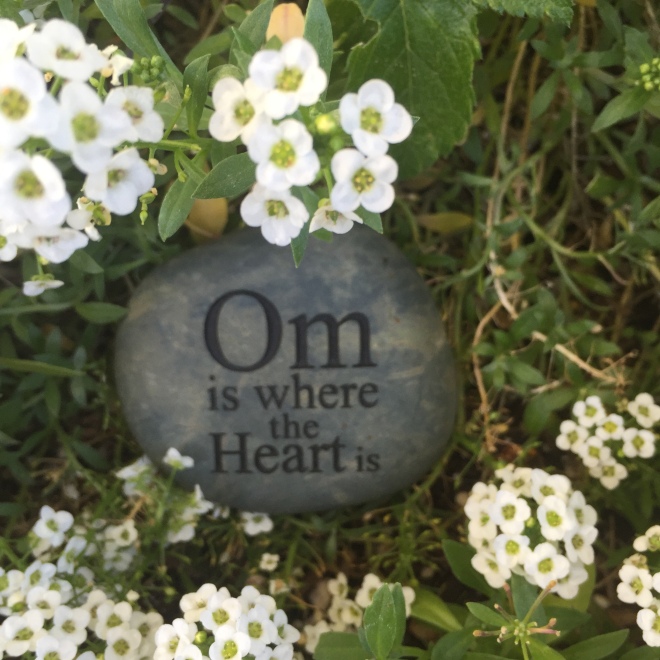
Home is a place you’ve made your own, usually by moving in with all your worldly goods, but sometimes just by rearranging what you find in your temporary abode. I know a monk who has traveled the world and feels at home wherever he lays down his yoga mat. Even a room in a Motel 6 can become a sanctuary.
I came here to write in solitude, away from the delights and distractions of my daily life, and found a tribe of writers with a place for me, a communal life that leads to contemplation and a contemplative life that nourishes community. We all have questions here. What is the very best word to write down next? What will I do when I leave this place? I want an agent or editor to tell me definitively whether I should start my novel at chapter 15 instead of chapter 1, but instead I sink into the ground made fertile by this balance of contemplative and communal. This is my home ground, this is where I can dig deep to find the answer.
Written December 29, 2015 at New Camaldoli Hermitage
It would be foolish to think that my humble Papermate pencil and I could offer up praise sufficient for the gifts of this morning. The waning gibbous moon was sailing into the west when I left my room, while in the east Venus glowed in the rose-rimmed azure sky that had already yielded her stars to the approaching dawn. In the chapel white-robed monks chanted ancient psalms by candlelight and sang of the old prophecy: “For us a child is born.” In the sanctuary bread was broken; together we ate, men and women, monastics vowed to this place and guests visiting from the world, together we drank from the common cup.
“Open your hearts to God’s tenderness,” the presider encouraged us in his thick Italian accent, he who dreamt during the night that an angel told him, “Keep it simple, Angelo. The more you speak, the less people hear.”
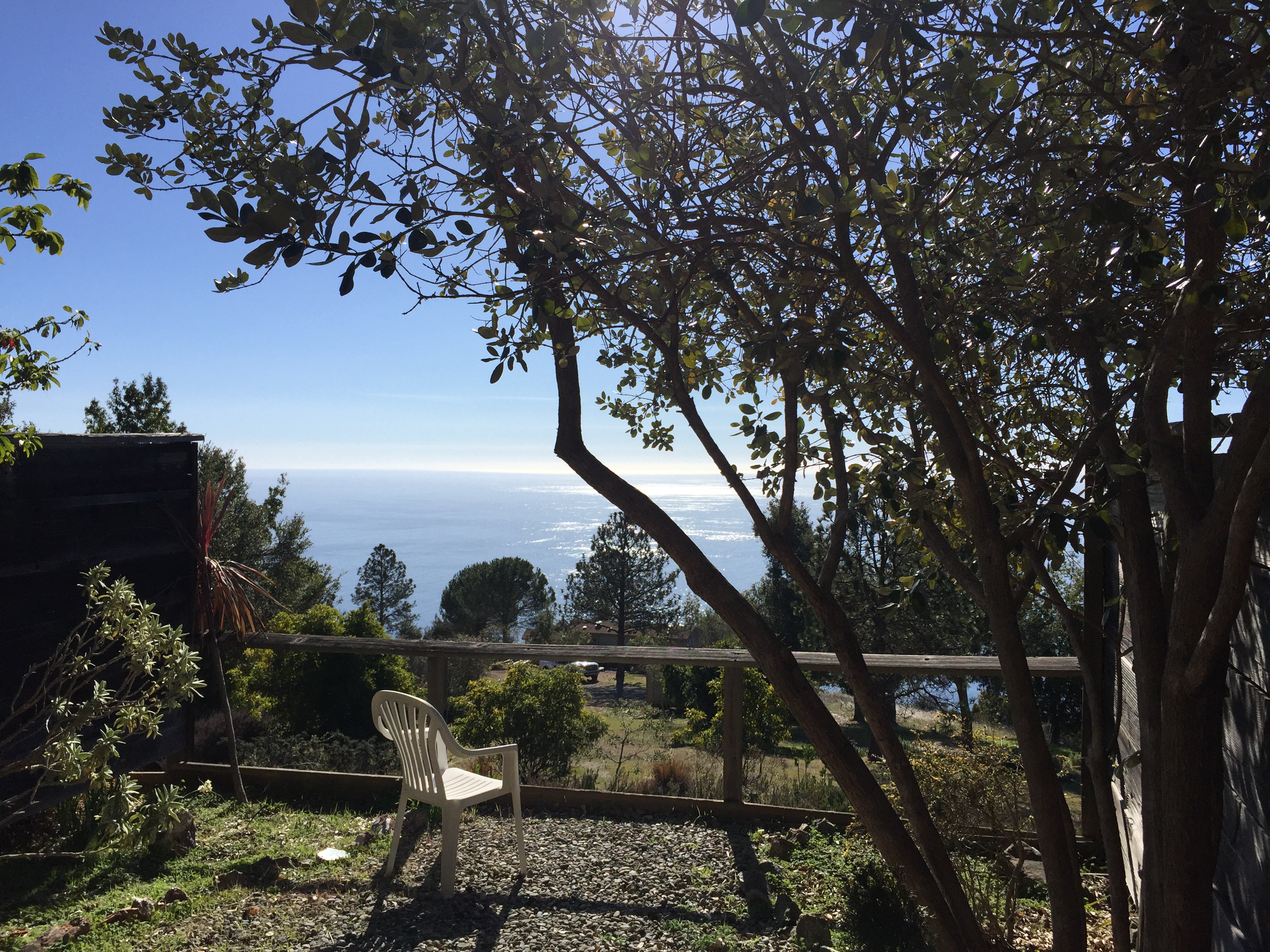
Let the garden outside my window speak, the bluejays and the little brown rabbit who come to breakfast here, the early narcissus blooming in the corner. The book of nature falls open to this spot on a mountain by the sea. Here in the day’s first rays of light is the praise sufficient to the gifts of this morning.
Title from a poem by 16th-century Italian poet Vittoria Colonna.
Since childhood I have been a list maker. Mom encouraged me to write a list of gifts I hoped Santa might bring, and the nascent librarian made my own little card catalog from index cards of the books I owned. Eventually this obsessive/compulsive behavior channeled itself into a checklist of homework and chores. At 53, even after years of therapy and daily meditation, the to-do list is still my compulsion of choice.
The Wunderlist app, which lets me create as many lists as I want that automatically sync among iPhone, iPad, and computer, is the app I click on more often than Facebook or Flixter. It is a marvelous master list of lists – the grocery list, the gardening chores, the all-purpose inbox that includes everything from “send Halloween cards to my nieces” to “write a will,” and even a honey-do list that I can send to my honey’s Wunderlist. Yet as miraculous as it is, Wunderlist is no match for the manic and multi-pronged list constantly streaming through my brain like ticker tape.
Yes, I love my lists. Any sort of worldly success I may have achieved in this life I attribute to them, but lately I’ve been saying a prayer before I go to sleep that has got me thinking about my deathbed: “May God grant me a peaceful night and a perfect end.”
God alone knows what a perfect end might be, but I am certain that when mine nears, whether it is prolonged or lasts an instant, I want to reach for a ball of golden thread spun from poems and prayers, not a spool of errands and chores. In the moment of crossing to the far shore, I want to see the lady in blue with a crown of stars, smell the scent of redwood and cedar in my backyard on a hot summer day, feel my beloved’s hand stroking my hair.
“Life and death are one thread,” Lao Tzu said, “the same line viewed from different sides.” Is he suggesting that the kind of death we wish for can teach us how to live? For me, gratitude seems like a good place to start. My final list of the day is not an inventory of tasks, but a catalog of what I’m grateful for, from the mundane to the profound. As I am about to open the door into the great mystery, I hope this is the golden thread my mind will reach for, that I can follow to the far shore.
No one who knows me will be surprised that some of my favorite Gospel stories revolve around food and drink, for example, Jesus changing water to wine at the wedding in Cana. Another is the miracle of the loaves and fishes. In this story, Jesus crosses the Sea of Galilee and climbs up a mountain to spend some time alone with his closest disciples, but he has become a popular preacher and healer by now, so thousands of people follow him. But does Jesus get annoyed or set a boundary to protect his private time? No. Instead he asks, “Where can we buy enough food for them to eat?”
In fact, even if they had the money, “two hundred days wages worth of food would not be enough for each of them to have a little,” and besides, they’re in the middle of nowhere! The disciple Andrew finds a boy with five barley loaves and two fish, “but what good are these for so many?” Undeterred, Jesus has the people recline in the grass, blesses the loaves, and starts distributing the bit of food to the crowd. In this impromptu picnic the crowd ends up eating their fill, and afterwards the disciples collect twelve baskets of leftovers!
I grew up appreciating this miracle as an example of divine abundance and generosity, but several years ago I heard a fresh interpretation in a homily. Father Mike thought it likely that the wives and mothers who’d come along on this trip across the sea and up the mountain had brought provisions, but here in a remote place surrounded by hungry people with barely enough to feed themselves, they were afraid to bring out their food. Father Mike suggested that nothing supernatural happened, only that Jesus’s example of sharing inspired the crowd to do the same.
I was a little disappointed at first with this take on the story. Sure, it was plausible, but couldn’t we just let a miracle be a miracle?
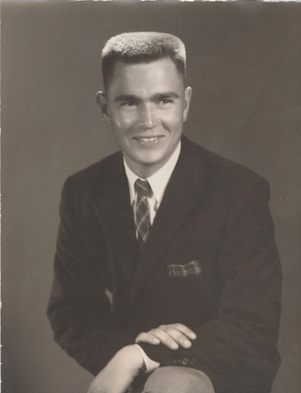
I heard this gospel most recently last month, and this time it made me think of my uncle Donald. When I was 24, my dad and I hiked the John Muir Trail, two hundred miles from Tuolomne Meadows to Mt. Whitney. To keep our packs bearable, we arranged with my uncle to meet us at a halfway spot where the trail came within a few miles of a road; there he would resupply us with freeze-dried food for the rest of our trip.
In the solipsism of youth, I didn’t recognize what a generous act this was on Donald’s part, to spend several hours driving to a remote point in the Sierras to deliver supplies and camp one night, then drive several hours home again. My father did, though. Early on the appointed morning he got up early and hiked out to the trailhead to meet Donald and carry our food back to camp.
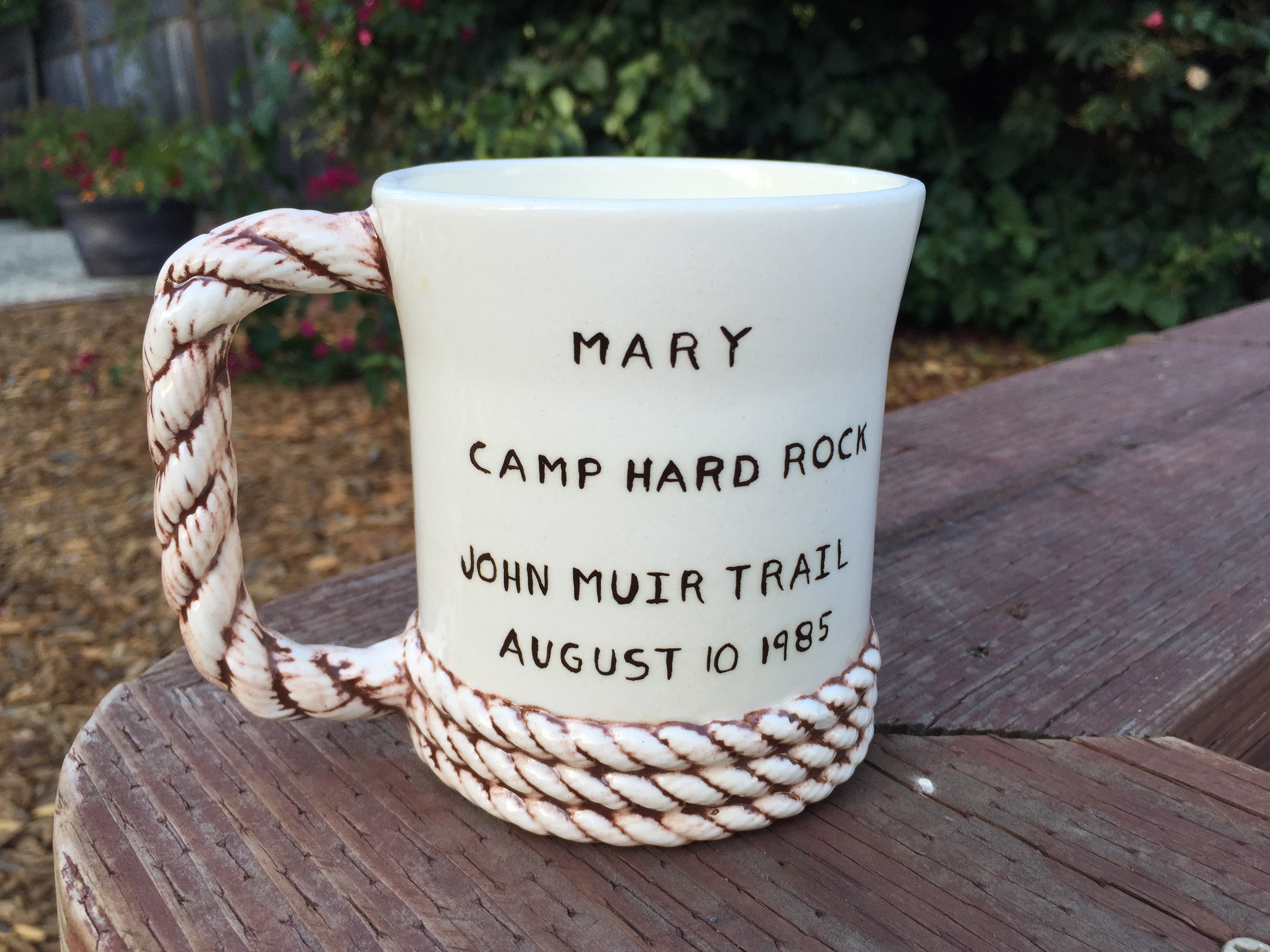
Later my dad recounted his surprise at how bulky Donald’s pack was. Here was an experienced backpacker out for just one night, yet he looked to be carrying sixty to seventy pounds of stuff. All became clear, however, when they arrived at our campsite on the south fork of the San Joaquin River, and Donald pulled out three personalized mugs along with a mini keg of beer. My uncle the teetotaler had brought us BEER! For ten days we had drunk nothing but freeze-dried coffee, instant cocoa, and water purified with iodine tablets. Now we sat on the riverbank, dangled our feet in the cool water, and drank beer.
But that was not all. Next a mysterious smoky parcel emerged from Donald’s pack: a quart of mocha almond fudge ice cream packed in dry ice! I cannot describe the bliss. Ten days of freeze-dried food, and now ice cream! For dinner we ate steak and a green salad, for breakfast bacon and eggs and cowboy coffee. Feeling like fattened bears that morning, Dad and I bid my uncle farewell and continued down the trail with our laden packs. Nine days later we would climb Mt. Whitney and complete our quixotic adventure.
In 2001 Donald was killed in a car accident. The night before the funeral family and friends gathered for dinner with the minister who would perform the service, and because he hadn’t known my uncle, he asked us to share stories about him. Of course, I knew immediately the one I would tell. I was not alone, though. One after another, relatives and people I didn’t even know related similar incidents, not just nice things Donald had done for them, but acts of crazy, over-the-top kindness. It turned out that profligate generosity was the theme of his life.
My disappointment with Father Mike’s interpretation of the loaves and fishes miracle has long since faded, and I’ve come to appreciate what a wonder it is for humans to overcome our greed and fear of not having enough. Uncle Donald inspired me by making it seem like an everyday occurrence.
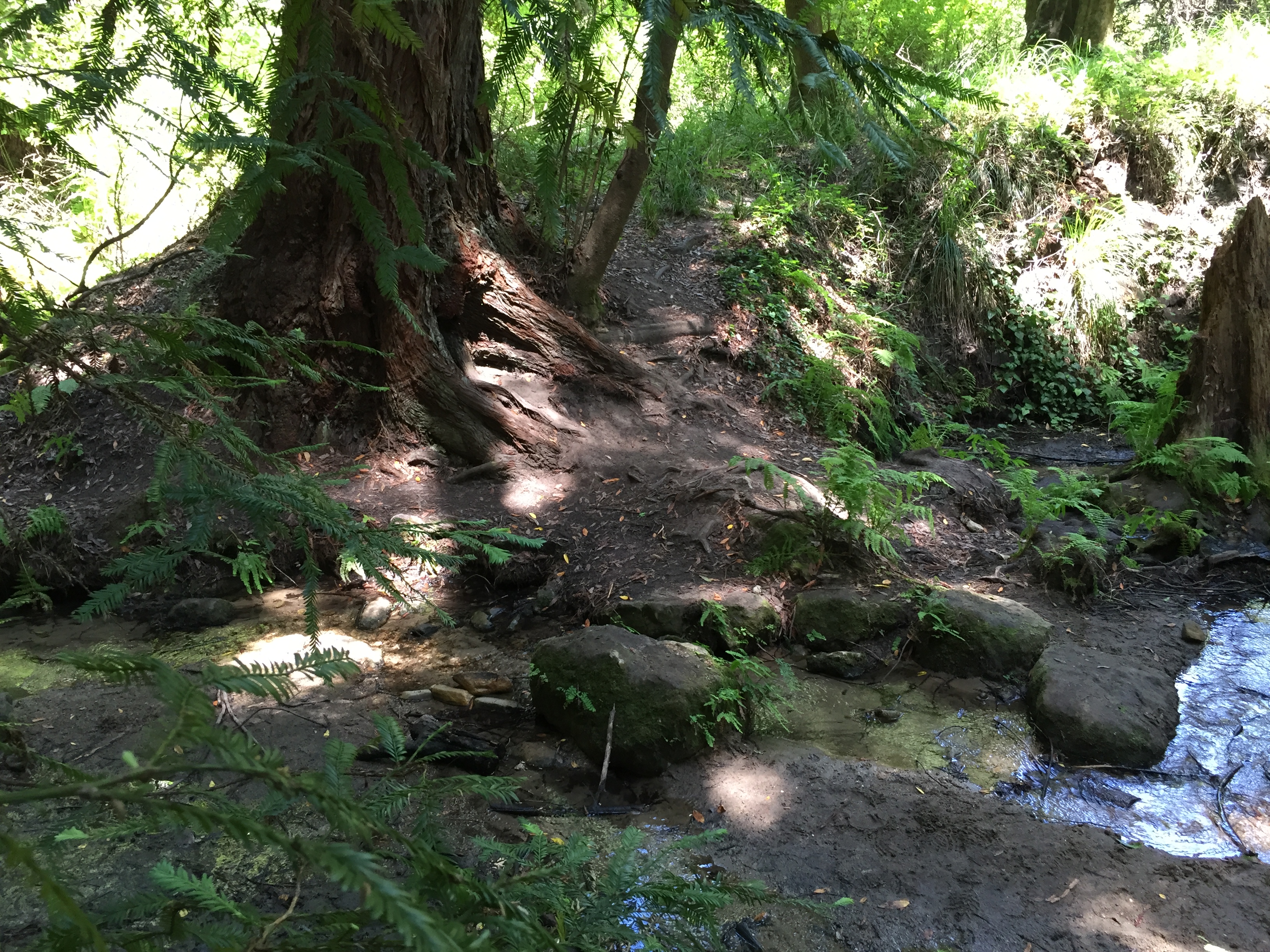
When I am in nature, I don’t think in words and commas or feel guilty for not being good enough. The forest asks nothing of me, nor does the ocean require an answer when the waves roll to shore. Yet nature seems to offer something for nothing. In the forest I have found holy writ and homily, absolution and communion. Trees soothe my soul in the intangible way that reading a poem by Rumi or listening to the Moonlight Sonata does.
Now, before you accuse me of getting all poetic and gooey, let me point out that many studies have shown that nature is an antidote to the stress of modern life, and forest bathing, or shinrin-yoku in Japanese, is now a thing. The Atlantic and Mother Earth News have published articles about it, and you can even get certified as a Forest Therapy Guide!
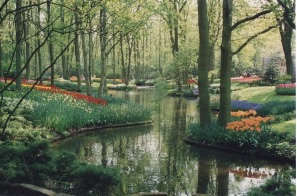
Yesterday I sat for half an hour in a friend’s garden. A pair of butterflies danced concentric circles in the air, and aspen leaves fluttered in the breeze like a baby giggling when her feet are tickled. Water murmured sweet nothings to the world as it trickled from a fountain, and all around desire burst forth: of roots for damp earth and of leaves for light. In every moment this desire was quenched and arose again.
The forest vibrates with desire, as does your own backyard. Just looking out the window at trees can deliver the benefits of shinrin-yoku, but it’s best to go outdoors. Breathe the same air as the trees, take in their greenness with all your senses, let the same delicious light touch your thirsty skin. When you put your feet in contact with that same earth where roots are questing, you can breathe in beauty and exhale peace.




 The Kingdom of Enough