In a crazy, consumer culture that is busy bombarding us with demands and desires, how do we touch the peace that reigns in the cave of every heart?
Author: Mary Camille Thomas
Mary Camille Thomas is a native of Santa Cruz, California who considers herself lucky to have returned after living internationally and on the road. She is a librarian by profession, and her poetry has appeared in The Moving Force Journal, Porter Gulch Review, and Sisters Singing. She is currently working on a novel called What Lies Buried and a collection of poems of the spirit.
I found Lauren Elkin’s book Flaneuse in the travel writing section of Bookshop Santa Cruz, but it is pleasantly hard to categorize: part memoir (a young woman leaves suburbia for the big city and eventually a life abroad), part musing on culture and feminism, part travelog. As any francophone could tell from the title, the focus is on walking. I don’t alas speak French, so I needed Lauren Elkin’s translation of flaneur: one who wanders aimlessly. She concentrates on the woman walker, the flaneuse, whom she defines specifically as “a determined resourceful woman keenly attuned to the creative potential of the city and the liberating possibilities of a good walk.”
Elkin herself fits this definition, and so do the women she writes about in her homage to the cities of New York, Paris, London, and Venice, to seeing them on foot, as a woman. (She writes about Tokyo too, but her relationship with that city seems as fraught and unfortunate as her relationship with the man she followed there.) Because my bent is towards literature, I especially enjoyed the chapters about Virginia Woolf in London and George Sand in Paris in which Elkin skillfully blends their relationship to those cities with her own, mixing literary reflections with travelog and memoir.
That doesn’t mean, however, that I didn’t also appreciate her forays into art, history, and politics. Reading about revolution and the history of the protest march in Paris, I found an explanation for the impulse that pulled me into the streets of Santa Cruz on January 21, 2017 even though I wasn’t sure what difference the Women’s March would make. “Marching is an instinctive response to feeling wronged, or desperate, or compelled to make a statement,” Elkin writes. I felt all three of those things after the 2016 election. “It makes us feel stronger to be part of a group,” she continues. “It feels good. Marching is a political act, but it’s a social one as well. We … feel we belong to something bigger than us.” I marched that day with my mother and my sister, friends, neighbors, and strangers, while my best friend joined over 470,000 people in Washington, D.C. and millions marched around the world. It did feel good, but Elkin recognizes the risk too. She describes participating in a march in Paris that splinters when the police block the street. She inadvertently follows a group of anarchists and ends up as part of a mob. “I felt uneasy. It was too easy to be led who knows where, by who knows whom, to do who knows what.” Her accidental experience stands in sharp contrast the mob that overran the Capitol on Wednesday. The insurrectionists might think that Trump led them there to stop the certification of an election he falsely claimed was stolen, but I can’t help thinking how satisfying the sight of that rampage on the house of the American people must have been to anarchists everywhere.
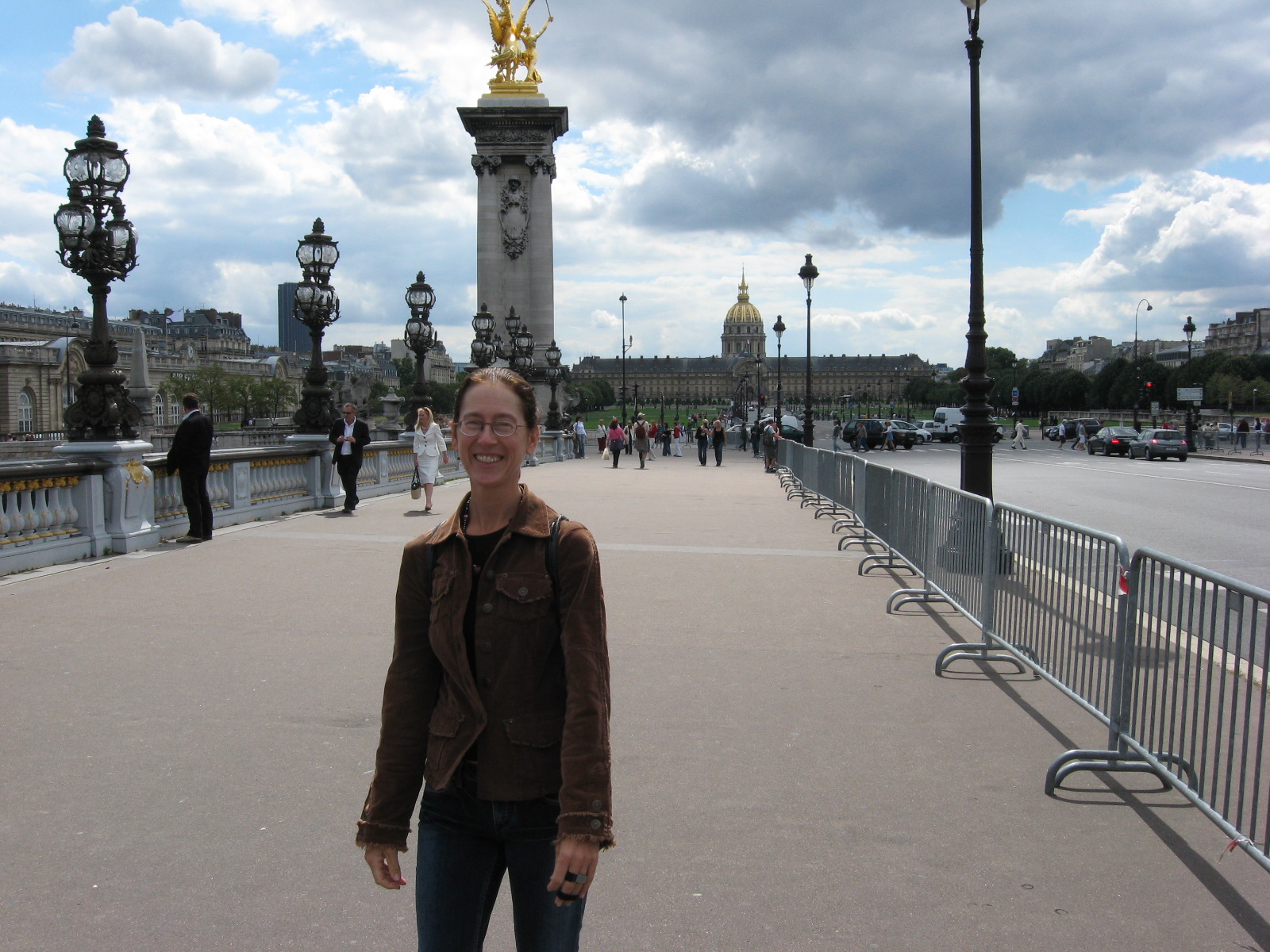
My motto is solvitur ambulando, it can be solved by walking. Like Martha Gelhorn I find flânerie “as necessary as solitude: that is how the compost keeps growing in the mind.” But I’m not a city person. Although I’ve meandered happily in Paris, London, Istanbul, and New York, in truth the city quickly becomes overstimulating for me, oppressive even and exhausting. I have to retreat to a hotel room to recover or better yet to the country where I can walk a quiet lane or a path in the woods. Yet Elkin managed to sweep me up in the romance of flaneuse-ing around a city, and maybe precisely because the pandemic has put it out of reach, I now fantasize about flying to Paris with a pair of comfortable shoes and my notebook. Paris is where Elkin has made her home and the city she writes most about, a city whose streets I too have wandered many times over the last forty years, with friends and sweethearts, with my sisters and by myself, so I’m seduced equally by Elkin’s evocative writing and my own memories.
“There is a sense of the city you can’t plot on a map or a phone,” she says, and I long for that elusive sense, to roam aimlessly, to trust where my feet and chance might take me. What would I observe this time, “keenly attuned to the creative potential of the city,” as I strolled through the Marais or the Luxembourg Gardens? When I got tired and overstimulated, what would I write as I sat in a café people-watching and drinking café crème?
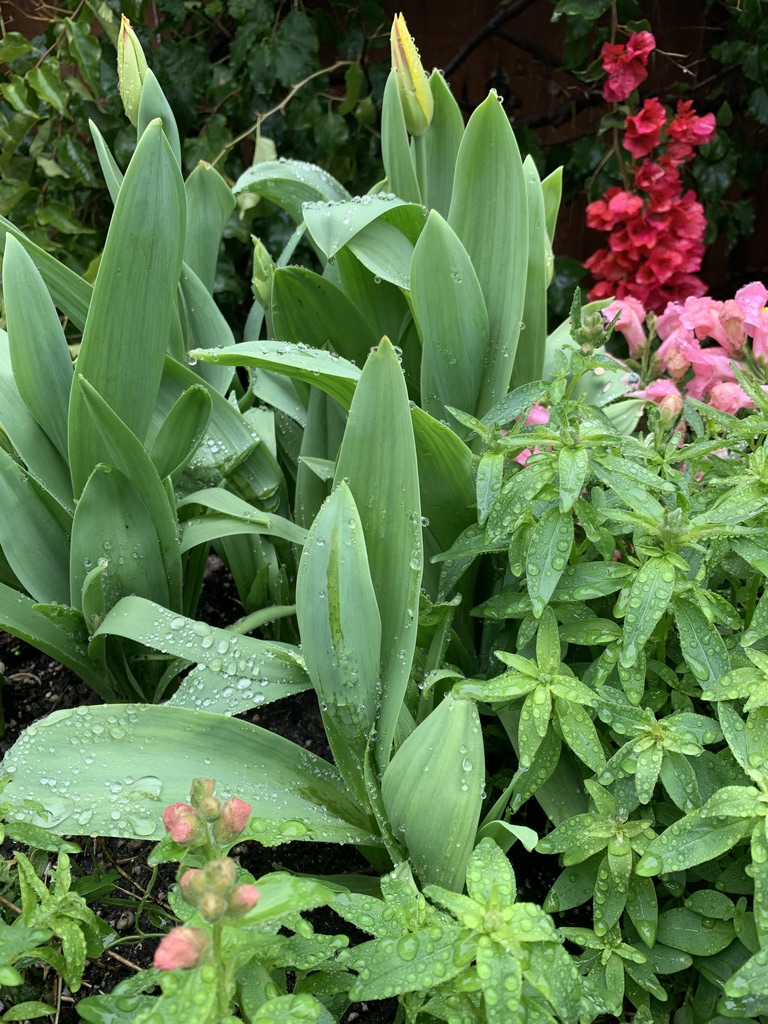
Yet here comes my inner realist to rein in the romantic. It’s January, the weather is miserable, maybe I’ll wait till summer. For now, I’ll sit with a notebook here at home, enjoying the view out my window of the winter garden and armchair traveling with an accomplished writer who knows how to share “the liberating possibilities of a good walk.”
On the winter solstice a few women friends joined me on my patio, all of us masked and sitting in a circle several feet apart, for an afternoon of writing together. The nights were cold that week of the conjunction of Jupiter and Saturn, the mornings crisp, but at one-thirty on the sunny patio it was too warm for us to believe that winter had really arrived.
Sarojani looked up in wonder and asked Barbara, the painter, “What color blue is this sky?”
“Cerulean,” she answered.
We took off sweaters, put on broad-brimmed hats, and I read John O’Donohue’s poem “In Praise of Fire” as a blessing for us and also as a prompt for the writing we would do together:
As short as the time
From spark to flame,
So brief may the distance be
Between heart and being.
For thirty minutes in the Santa Cruz sunshine, we labored over notebooks and laptop, seeking that secret inspired place in each of us that might birth a poem, that could reveal the depths of what we really know. On the shortest day of the year the sun dips quickly, and cool shadows were spreading across the garden as we shared what we’d written. My poem began
May each new drop of light
in the lengthening days
fall into the dark well
where anyone might forget
the people lined up at the food pantry,
the names we are called to say,
each person, each animal
who lost a home to wildfire.
Even in the dark
may we remember …
“You write a lot of prayers,” Barbara pointed out when I finished and then, noticing John O’Donohue’s book on the table, asked, “What’s the difference between a prayer and a blessing?”
Well, that’s easy, I thought, but as I tried to formulate an answer, I was flummoxed. Are they the same? Is a blessing a form of prayer? Kim suggested that a prayer is offered, a blessing is bestowed. After they left, I pulled my Merriam-Webster’s Collegiate Dictionary off the shelf and looked up the verb to bless. Maybe part of the reason I was confused when I tried to answer Barbara’s question is that blessing carries multiple meanings:
Hallow or consecrate by religious rite or word
Hallow with the sign of the cross
Invoke divine care for (bless your heart)
Praise, glorify (bless his holy name)
Approve, speak well of.
To pray has fewer definitions in my dictionary:
Make a request in a humble manner
Address God or a god with adoration, confession, supplication or thanksgiving.
As I’d thought, there is overlap between these two actions. To invoke divine care or to praise God is both to bless and to pray, but that first definition of bless, to hallow or consecrate by religious rite or word, seemed to stand alone.
In my Catholic tradition the power to consecrate rests in the hands of the ordained priest. I learned this at age eight when I made my First Holy Communion. Only the priest can perform the sacramental rite that turns ordinary bread and wine into the Body and Blood of Christ. Yet he clearly isn’t a magician. He calls on the power of God to make the bread and wine holy. Only through divine action does transubstantiation take place. I think my first instinct was correct, blessing is a form of prayer, and so was Kim’s, a prayer is offered, a blessing bestowed.
The day I put on my white lace dress and veil to make my First Communion, my grandmother gave me a rosary as a gift. After Mass my mother took me to our pastor to ask for his blessing on it. He made a Sign of the Cross over the beads while saying some words I couldn’t quite hear, maybe something like this prayer I found online: may those who devoutly use this rosary to pray be blessed, in the name of the Father, and of the Son, and of the Holy Spirit. “Amen,” my mother finished, and I quickly copied her. Although I wouldn’t have used Merriam-Webster’s words to describe what happened, it was clearly something special, yet now that I think about it, not so different from one of the very first prayers I learned, grace before dinner: Bless us, O Lord, and these Thy gifts …
Objects and buildings, animals and people may all receive a blessing, and John O’Donohue believes that as human beings we each have the power to give a blessing too. “I never doubted that I could bless,” my friend Kim shared during our gathering on the winter solstice, but despite learning to say grace from an early age, as a Catholic it took me a long time to realize, and I thank the role models who showed me that I too could perform this priestly act. Over the years I have joined in a blessing way for a pregnant mother, led ritual cleansings of new homes, laid hands on sick friends, blessed travelers, knit prayers into shawls, and anointed women with water from Brigit’s sacred well in Ireland.
“It would be lovely if we could rediscover our power to bless one another,” John O’Donohue says in his book of blessings To Bless the Space Between Us. “Despite all the darkness, human hope is based on the instinct that at the deepest level of reality some intimate kindness holds sway. This is the heart of blessing.”
At the end of an apocalyptic year, still in the midst of a global pandemic, at the beginning of what will likely be a hard winter, I believe with John O’Donohue that an intimate kindness prevails, and I call on this kindness to bless you and keep you. When you find yourself in darkness, may it shine upon you.
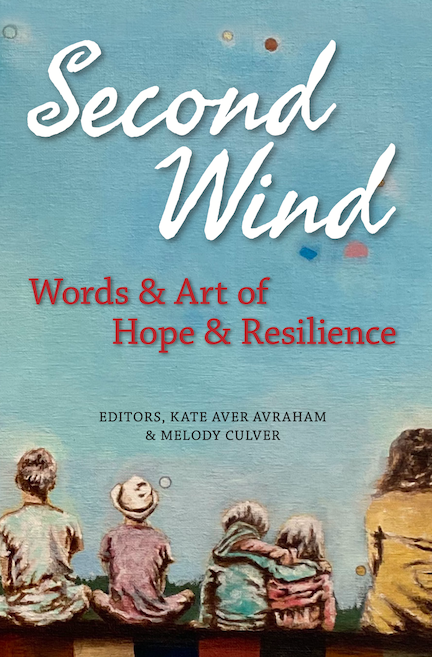
What gets you through adversity? Last spring my friends Kate Aver Avraham and Melody Culver decided to answer that question by gathering diverse voices to share prose, poetry and art that speaks of how we get through 2020, make the most of our changed lives, and move toward a meaningful future. The resulting book, Second Wind, has just been published, and I’m honored that it includes a few of my poems, including this one I began my blog with five years ago. As we face a pandemic and a divided nation, I look forward to finding hope and resilience in this lovely book.
Copies of Second Wind are available at Bookshop Santa Cruz and on Amazon, and all sale profits will go to the Santa Cruz County Community Foundation Covid-19 Relief Fund.
A Map to the Kingdom
Let me draw myself a map
out of the world of scarcity
into the kingdom
where everyone has enough.
The map I’m talking about
requires a subtle yet revolutionary algorithm
to rewrite the neuronal pathways of my brain.
Let my ears hear the soft call to prayer
from the cave of my heart
instead of the 21st-century symphonic blast
begging me to worship at the altar of the mall
and buy more apps for my iPhone.
The promise of productivity
and the buzz of news and games
want to trick me into believing
they can fill me up and give me purpose.
But no.
Rewire the neurons.
Let me rejoice in the gift of each moment
instead of fretting about what I don’t have time for.
Then I can find the cartographers
who will collaborate with me
in mapping our way to the kingdom of enough.
In that place time is the currency,
and communion is all we want to buy.
What does the kingdom look like? This week I had a chance to share my reflections on the parable of the ten virgins with Deacon Joe DePage of Holy Cross Church.
My Grandma Sammie knew many psalms by heart and could quote them chapter and verse. Maybe she’s the one who inspired me one day almost twenty years ago to learn Psalm 63 (the first nine verses anyway). I studied it carefully to imprint the words on my memory. When I came to the line, so I have seen you in your sanctuary, beholding your power and glory, I pictured my place of worship, Holy Cross Church, with its high ceiling and sunlight streaming through the stained glass windows.
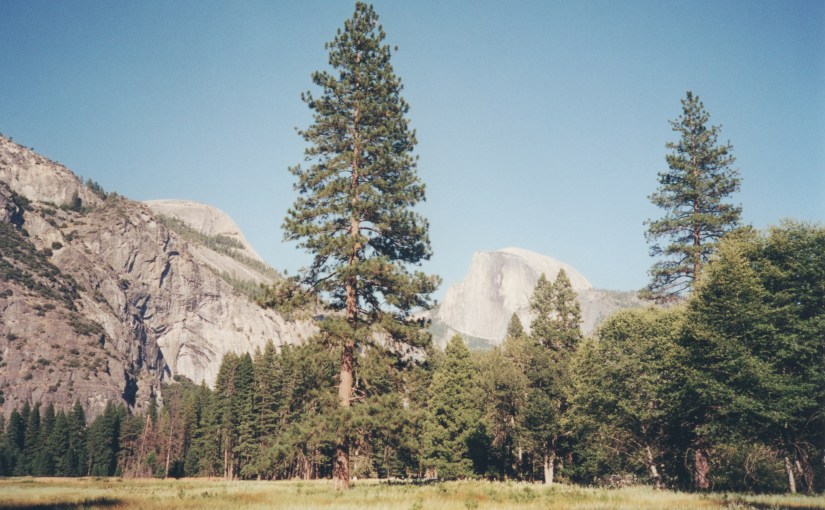
Then, to my surprise, my imagination leapt out of the building and into Yosemite Valley with the distinct curve of Half Dome and the craggy heights of El Capitan soaring above me. Yet maybe it shouldn’t have been a surprise. Isn’t nature as much the home of the Divine as my dear parish church? John Muir called the Sierra Nevada the range of light, and I visited those mountains every summer. Why wouldn’t my mind latch onto Yosemite as the sanctuary of the Holy One? Psalm 63 itself begins with sensual longing: my body pines for you like a dry, weary land without water. It set me up to conflate God with the earth.
I returned to the mental exercise of memorizing the psalm. My soul shall be filled as with a banquet … Now came another image to mind, the morning of December 21, 1999, the last winter solstice of the millennium.
That day I went out before dawn for a walk along the ocean cliffs in Santa Cruz. What was purported to be the brightest full moon in a hundred years was setting in the west, swathed in swirling mist. For forty-five minutes it was my beacon and companion, and I was in awe. Finally, just as I reached my turning point, it dipped below the horizon. Show’s over, I thought sadly and turned around to start for home. What I saw then nearly took my breath away: a gorgeous sunrise had stolen up behind my back and was now in full bloom across the bay. I had only to turn around to see fresh beauty on the horizon. Here was the generosity of the Beloved on full display, sun and moon playing with the earth in a wild dance that seemed a secret shared between them and at the same time a wanton display for all us creatures to see.
Before King David composed the psalms, we were given nature as a scripture. Praying Psalm 63 is a way for me to celebrate the written Bible and the book of creation at the same time. Both help me find my way into the cave of my heart. At a time when I no longer take clean air or our democracy for granted, this is not a small thing. It might seem like escapism, and yes, it is a respite — like a walk along the ocean is — but the intention is to return to face COVID, the fight against racism, and wildfires with a hope and compassion I don’t have on my own.
Merced River, Yosemite Valley
Where do you perceive the Divine? What invites you into the cave of your heart? These are deeply personal questions, but if you feel like sharing what gives you hope in troubled times, please reply in the comments.
This is how Foothill faculty and staff describe academic year 2019-20
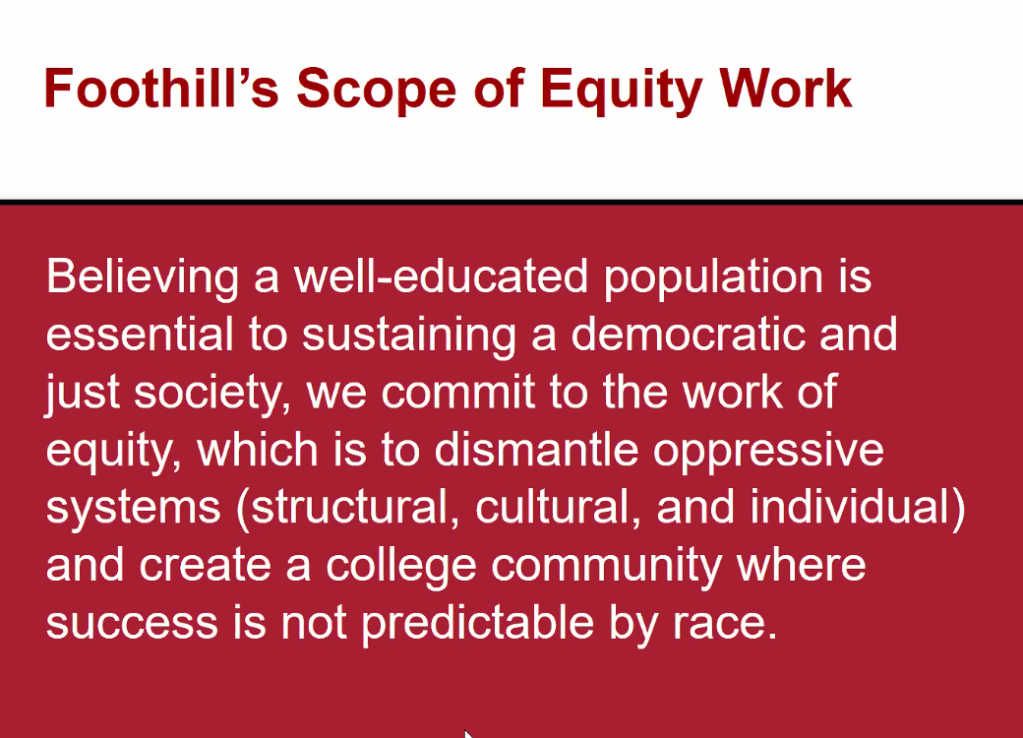
On the Friday before fall classes start at Foothill College faculty and staff come together for “Opening Day” to prepare for the new academic year. This year a panel of student leaders became our teachers and offered us a two-hour training on equity, focusing on implicit bias, privilege, and racism in higher education, including at Foothill. For our last activity at the end of the session we were invited to write a poem in which each line begins with the words “I am” to help us see our diversity and our unity.
I was almost too heartbroken by the death of Ruth Bader Ginsburg to share this poem, but the students who asked us to “Listen, Learn, and Level Up” inspire me to live up to RBG’s legacy and work for a just and democratic society. Please take ten minutes to write your own I Am poem and share it in the comments.
This morning I’m remembering the candlelight vigil in Mission Plaza Park on the night of 9/11 and the interfaith service that followed in Holy Cross Church. After the final hymn concluded, in the moment of silence after the organ notes faded but before the rustling of departure began, a single spontaneous voice began to sing “God Bless America.” A few others joined in, Sister Barbara promptly took it up on the organ, and then we were all singing. It has become a cliché since then, a requisite but routine badge of patriotism, as satisfying and thoughtfree as the seventh inning stretch and singing “Take Me Out to the Ballgame,” but that night it was pure and heartfelt.
I want to reclaim that prayer for the land that I love, now threatened in so many more ways from within and without than it was even on that awful day.
Stand beside her, O Beloved, and guide her through the night – through this COVID-19 pandemic, our fight to end racism, wildfires burning from the mountains to the oceans white with foam. Shed your light from above to show us our common ground. God bless America.
 Turn off the TV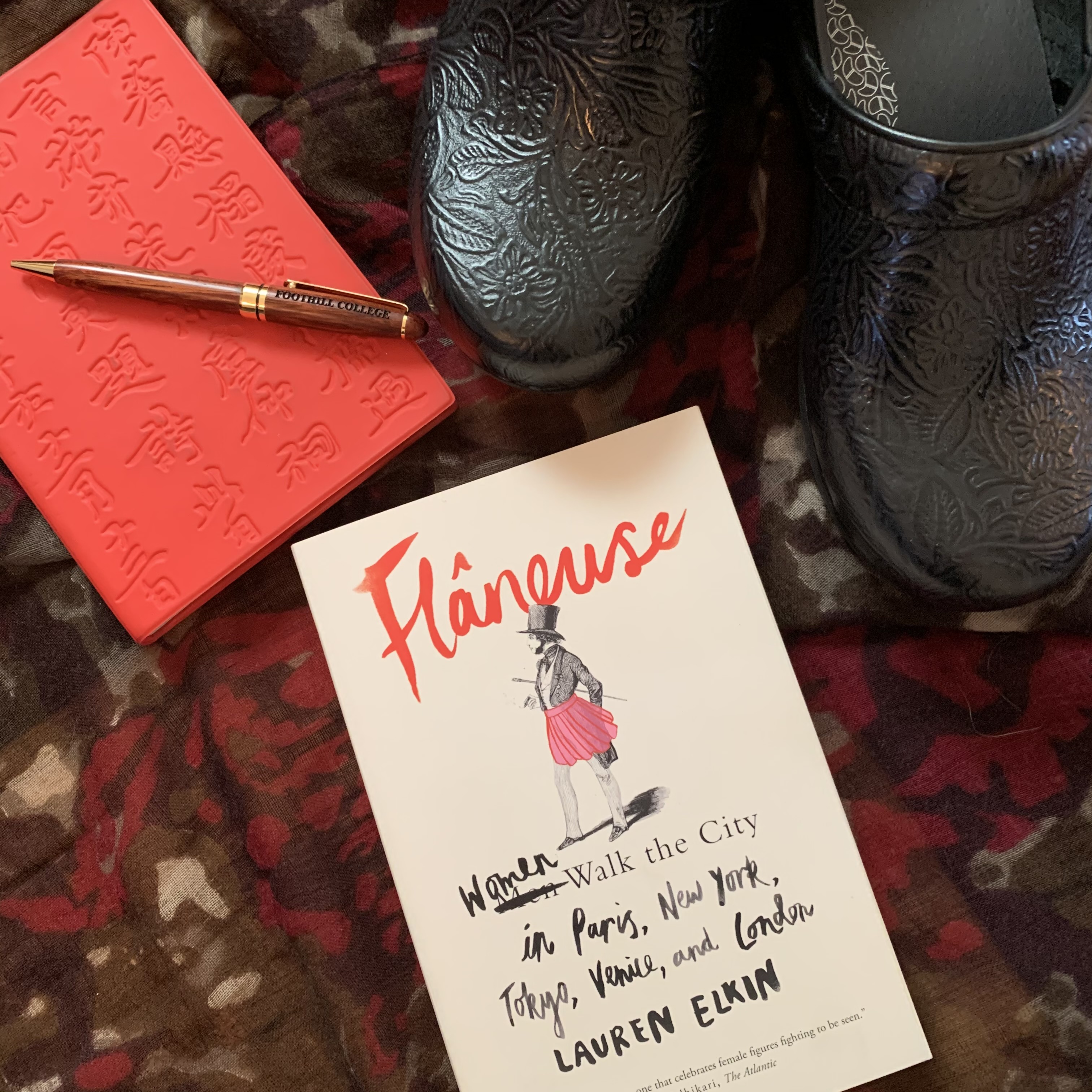








 The Kingdom of Enough